Not Like the Movies

The carwash brushes swirl the soap back and forth, back and forth across the windshield. The light reflects off the thick bubbles. There’s a faint slap-slap every time the rubber part hits the glass. Hypnotic. Peaceful.

Cut to the Jewish Community Center. Boxes of something are being packed and organized for a food drive, or a fundraiser or a holiday carnival. “Smile, Girls, I’m going to put this on Facebook and tag you all,” the volunteer in charge says.

She’s a writer. She studied Journalism at college and now she’s a stay-at-home-mom with a blog. Most days she’s still in her sweats when her husband comes home at 6pm, because if she stops to actually get dressed it’s all over.

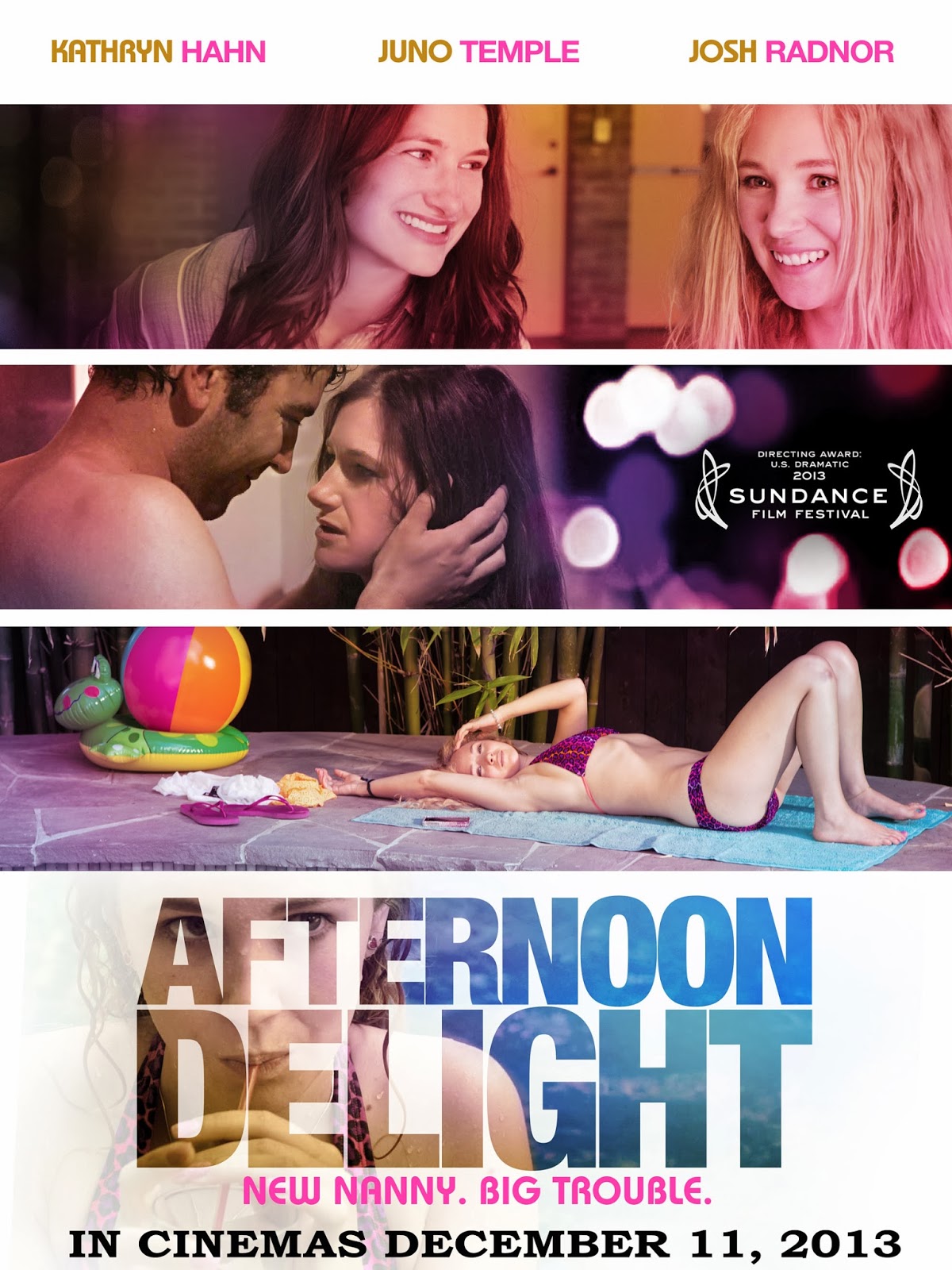
Ever seen the movie Afternoon Delight? It stars Kathryn Hahn as Rachel – the confused, trying-to-figure-it-out, Jewish, writer-mom-volunteer who finds tremendous solace and inner peace at the carwash. Fifteen minutes into the movie I wonder if writer/director Jill Soloway had been spying on me for several months.

officialposter-_playdate

That’s what makes great art great – movies, books, songs that imitate life. That viewers, readers and listeners can relate to: Hey, that kinda happened to me! Wow, I felt that way too. I remember a break-up like that. A family Christmas when that exact thing happened. Sneaking out with my best friend… We love those movies. We love feeling that our experiences and feelings are shared by others. It gives us a sense of belonging, of normalcy even, at a time when we felt left out and different.

But there’s something disconcerting about watching my life play out with uncanny accuracy in a movie, Hollywood or otherwise. While it’s comforting to know that others have similar experiences, that I’m (obviously) not the only Journalism grad who didn’t make a real career out of it, it’s unsettling, uncomfortable and really difficult to watch. On a big screen. From the outside looking in, but also from the inside feeling out.

In Afternoon Delight Rachel is trying so hard to figure it out, she invites a down-and-out young stripper to come live with her and her family. Rachel wants to save her. And of course, we can see, this has trouble written all over it. Rachel really has the best intentions, she loves this woman, wants to help her – but her mom-friends don’t like it so much, her husband doesn’t want to like it, her friends’ husbands love it.

Complicated situations, tested relationships, and at the end of this Hollywood movie, Rachel realizes much about herself and her marriage, and she and her husband indeed figure it all out. The End.

book

There are times I wish I could yell “That’s a wrap!” and high-five myself and everyone around me that yeah it’s all perfect, and worked out for the best, and everything’s good, no great! But life is not like the movies. Thank G-d. I may be a frustrated Journalism graduate, who volunteers at the JCC and drives a minivan. But I haven’t brought an exotic dancer home (yet!) and my afternoon delight is usually a cup of tea and 20 minutes with a good book.

Nope – not like the movies. And that’s a good thing.


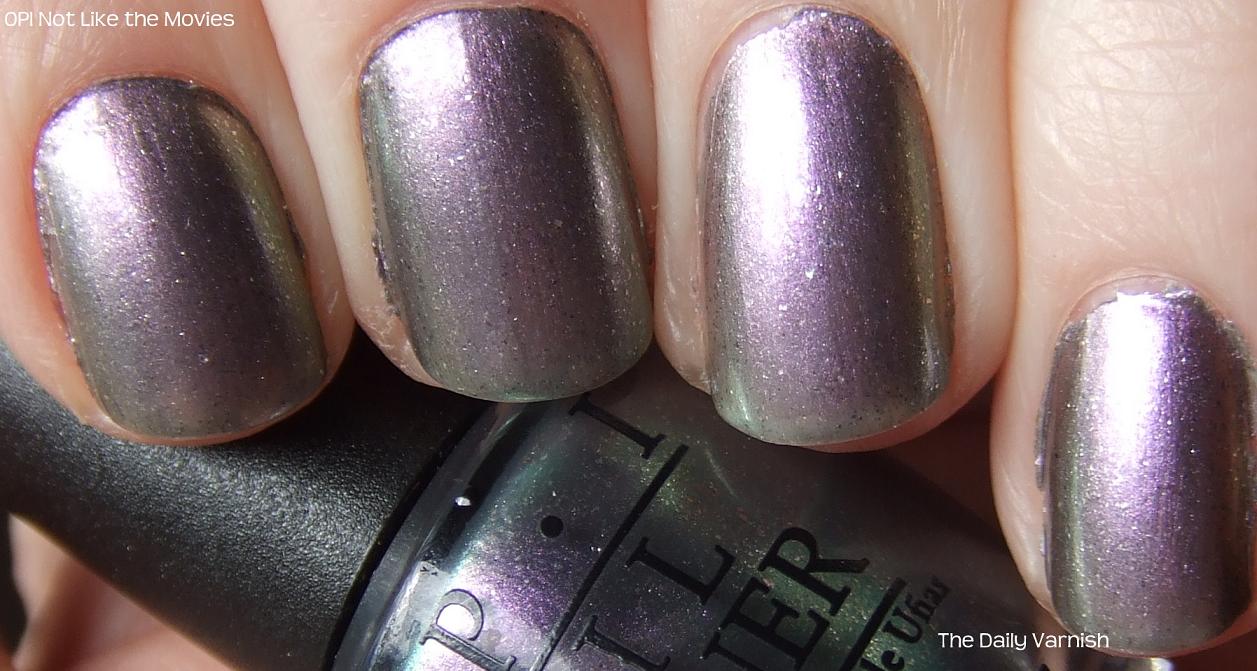
Not Like the Movies by OPI

Not Like the Movies by OPI

This post was written as part of the April A to Z Challenge. To read more of my A to Z posts click here.

Remembering Madiba

I couldn’t take my eyes off the blonde woman in the pink sweater, as she swayed to and fro with a tender smile on her face, singing to the cute little black girl she held in her arms. In the midst of a huge crowd, she was oblivious to the cameras as she sang, “Nelson Mandela, Nelson Mandela” in tribute to one of the greatest human beings our world has ever seen.

This was CNN’s coverage, live from Johannesburg, South Africa on Thursday, December 5, minutes after the announcement that the beloved leader had passed. At 1am South Africa time, while my father-in-law drove to Mandela’s home and joined the crowds gathered to celebrate this exceptional man, I was watching from the floor of my bedroom, thousands of miles away in California.

And as I continued to watch CNN over the next few days, and read the tweets from media in the US, South Africa, Israel, as I refreshed my Facebook feed and liked friends’ status updates when they changed their profile pictures to smiling faces of Madiba, paid him their respects, shared their favorite Mandela quotes and tribute videos, I realized how far away from South Africa, from Mandela’s South Africa, I really was.

I think of myself as a small-town girl, from Pretoria. In truth, Pretoria is a big city. Thirty miles north of Johannesburg, it’s the national capital, home to the Union Buildings where presidents, including Mandela, are inaugurated and where most government business is conducted. A couple million people live in Pretoria. It has its own university – the University of Pretoria – and its own rugby team – the Blue Bulls. Theaters, schools, shopping centers, restaurants, green leafy suburbs, a bustling central business district, hospitals. There is nothing small-town about it.

Except in the way I grew up – white, Jewish, privileged, sheltered.

My world – and the world of most of the Jewish families living in Pretoria in the eighties – was limited both physically and socially to the suburbs surrounding our Jewish day school and synagogue, with weekend drives to nearby Johannesburg and the Vaal River. Pretty small-town.

Pretoria’s Jewish community was, and still is, largely comprised of anti-apartheid Jews, many of whom were the children and grandchildren of Holocaust and World War 2 survivors – if not survivors themselves – who had emigrated to South Africa from Lithuania, Russia, Germany, Poland. Well-versed in what it means to be discriminated against, oppressed, hated. They were not supportive of a government that perpetuated the same abhorrent schisms.

Fewer Jews settled in Pretoria than in Jo’burg, and the community I grew up in was tight-knit and protective. Seen through my young eyes, it was idyllic despite the apartheid happening around me.

Most white kids growing up in South Africa in the eighties understood apartheid – perhaps not in detail, but we all had a strong sense of the segregation, discrimination and oppression happening around us. It was a part of our lives: our housekeepers were mandated to carry identity passbooks with them wherever they went – if they were questioned by police and didn’t have their passbook they were arrested. There were green buses for white people and red buses for black people. Park benches and public toilets had signs bolted on: “Net Blanke – Only Whites” (in Afrikaans and English, not in any other language). The economic and social divide between blacks and whites was enormous, gaping, seemingly unbridgeable.

Some of us knew better than others who Nelson Mandela was, and why he had been in prison on Robben Island for over two decades. For me, a fifth grader in a small Jewish day school in Pretoria, Mandela represented all those millions of people who didn’t have what I had, who couldn’t do what I could. But to my sheltered, young self he was elusive, a name and a face standing for the struggle of the oppressed.

As I moved through high school, the more mature me began to properly understand the tension of the country we were living in. While I’d never known anything other than apartheid, I started to long for the injustice to end. F.W. De Klerk was now president and with the dawn of a new decade, Nelson Mandela was released.

My sheltered world opened up a little. Our high school drama club staged an award-winning play written by our English teacher called The Non-Musical Human Rights Take it or Leave it Children-of-the-Rainbow Part 2. It poignantly tackled themes of censorship, oppression, human rights and ultimately the creation of a “Rainbow Nation.” I was 15-years-old – I had never really thought about any of this before, even though it was what I grew up with.

The arts in South Africa vibrantly exploded when Mandela walked free. The Rainbow Nation he was creating found true expression in living color on stage, in writings, TV, paintings, comedy shows, music – all reflecting the euphoria we could feel in the land. It was a time of hope and possibility. Mandela’s smiling face was everywhere – he amazingly harbored no grudge, no blame, he was committed to moving forward, to replacing the hate and segregation with love and reconciliation. That gaping divide was already smaller.

I was in my final year of university when I voted in South Africa’s first democratic election. I stood in line with my sister outside the Great Hall at Rhodes University, together with all the men and women that cleaned and maintained those beautiful old buildings, that cooked for us and joked with us when they served our food, or swept out the lecture halls after class. I can’t even begin to imagine what they thought and felt about finally having basic human rights returned to them, but I was overwhelmed with gratitude that it was happening, and that I was there.

Madiba-at-Rugby-World-Cup-1995

leavenogirlbehind.org

My most vivid memory of a unified, free South Africa is watching the Springboks win the rugby world cup in 1995. Nothing short of spectacular! For me, that victory epitomized what Madiba had achieved for the country – using a national sport historically played by white Afrikaners, loved by the very people who tried to keep him silent and locked away, to build a bridge across a gaping divide. Mandela wearing the Springbok colors of green and gold with that smile that lights up the world is a powerful reminder of his belief that if people can learn to hate “they can be taught to love, for love comes more naturally to the human heart than its opposite.”

I never really lived in Mandela’s South Africa. I left four years after that election. I was barely a part of the rainbow nation. I sit in my car outside the supermarket in Oakland, watching the Soweto Choir in Woolworths sing the sweetest, most moving tribute to their Tata Madiba, on YouTube, with tears in my eyes and a smile on my face, and I feel very, very far away.

My daughter takes the photograph of her father shaking Mandela’s hand up to her room, just to look at it for a little while. And even though I am far away, I am South African, and I am humbled by the magnitude of the legacy of this tremendous human being, and so grateful for his tireless struggle for a better, equal life for all South Africans and for humankind.

“For to be free is not merely to cast off one’s chains, but to live in a way that respects and enhances the freedom of others.” -Nelson Mandela, The Long Walk to Freedom
Totally Californian… essentially South African

Summer rain. I miss it. The clouds scurry in – gray and heavy. The temperature drops, but only a little. Fat droplets start to fall, one at a time, and within minutes it’s raining loudly. It’s rain with a purpose. Not gentle and misty, not dreary and relentless. Thirst quenching, life-giving, happy and warm. Almost as quickly as it begins, it’s over.

Clear skies and sticky air. The trees are bright, and the birds are loud. Water drips from the leaves onto the tiled walkway. And the intoxicating fragrance of magnolia is suddenly everywhere.

I was disoriented. For a moment I was back in Pretoria, South Africa – where it rains, like this, almost every afternoon in early summer. Growing up, I would stand at the open front door, watching and waiting. Loving the steady sound of the rain on the roof and the windows. Knowing it would stop soon, the sun would come out in moments, the birds would start to call and I would breathe in that heady magnolia. Africa.

But this was Australia!

As the confused clouds blew across my brain, my heart contracted with longing. The smells and sounds coalesced into a blanket of nostalgia, lightly draping my shoulders.

Sydney

Sydney, Australia is a beautiful, fun, happy city – home to the Sydney Opera House, the Harbor Bridge, magnificent water views wherever you look, cuddly koalas and fierce-looking kangaroos. Absolutely worth the 14-hour flight and crazy time change, kids in tow. It has an incredibly efficient ferry system, an amazing zoo, gorgeous parks and breathtaking beaches.

And a layer of “South African-ness” I was not expecting. Which left me surprisingly homesick.

Of course, I know that many South Africans have made Sydney their home – it made our trip even more special to spend time with old friends from elementary school and college while we were there, reconnecting, reminiscing, introducing our kids to one another.

What took me by surprise was how familiar the city felt to me. In the southern hemisphere. Chanukah in summer. Houses built from brick not sheetrock, and neighborhoods reminiscent of Johannesburg in their layout. Even the ocean felt more Indian than Pacific! Nobody asked where I was from – in California sometimes my accent sounds Australian… or Irish… or British. In Australia it’s clearly South African.

And because there is such a large South African community, typical South African foods are easily available, foods that define many of my childhood memories, and that my American children now love: biltong (puts beef jerky to shame – there is no comparison), boerewors (delicious sausage, the flavor can only be created by South Africans), chocolates, cookies and Joko tea, Nando’s Chicken (a franchise imported all the way from Johannesburg to Sydney, London, Washington DC – but sadly not San Francisco). If you know South Africans living outside of South Africa, you know how much we crave our SA food!

At the “South African shop” in Rose Bay, the owner recognized our last name – he knows my father-in-law – and the manager’s daughter went to high school with my husband. The couple staying in the apartment next door to us felt as familiar to me as my own aunt and uncle – even though I was meeting them for the first time! They hugged me when they met me, and kissed my kids, and for a minute I thought maybe I had known them somewhere before. But it was enough that we were Jewish South Africans for all of us to feel connected. She was making chopped liver for Shabbat dinner, and he cracked the same kind of jokes my dad does, and they used slang South African words we hadn’t heard in so long… and the longing squeezed my heart again. Homesick.

But I’ve lived in the Bay Area for 15 years. We left six weeks after our wedding, and my children are Californian. They have American accents, they like beef jerky and they think a costume is what you wear on Purim or Halloween (it is, but in South Africa it’s also your bathing suit). When I think “home” I see the Bay Bridge, not the telecom tower I rode my bike to as a child in Pretoria.

As we enjoyed our week in Sydney, swimming in waves that felt like those in Durban, having braais (barbecues) with old friends, waiting out the afternoon rain, those confused clouds continued to scurry across my mind.

Back home in the Bay Area, my friends understand when I reply ya instead of yes, I have found the best boerewors from a kosher South African butcher in Atlanta (they ship it next-day on dry ice!), and we have braais as often as we can. It rains in winter – sometimes incessantly – but during spring and summer I can smell magnolia and jasmine all over.

am South Africa homesick… but in the Bay Area, I am home.

Sydney, Australia November 2013

Sydney, Australia
November 2013

Innovation? Nah… Tradition

Split families are all the rage in Jewish Bay Area, California. It’s rare to meet anyone who is “born and bred” San Francisco/Oakland. Most of our friends grew up somewhere else in the United States: Cherry Hill, Los Angeles, Baltimore. We’re the token South Africans, but we feel at home because we’re all transplants. The Golden State tempted us all west with the lure of exciting opportunity, entrepreneurship and innovation. The white sailboats decorating the blue of the beautiful Bay, the iconic Golden Gate Bridge, the enticing hilly streets of San Francisco are an exquisite added bonus for those of us who have chosen to make our home here – even with the swirling fog that forces us to wear fleece hoodies and Patagonia jackets in June and July.

But maintaining communiy without family is challenging for breakaway entrepreneurs. Extended generational families bring history, stability and tradition to Jewish life. Grandma makes challah every Shabbat, this uncle’s homemade chopped liver is at every holiday meal, the cousins always do a play on Channukah.

Growing up, my family would have Shabbat every week with my grandparents, aunts and uncles. Every week. For the first 24 years of my life, that’s where I would be on a Friday night. The location would rotate between my grandmother, mother and aunt. Sometimes friends would join, but the core remained the same – Family. My father would sing the Kiddush in his distinct gravelly voice, the melody as cozy to me as my favorite sweatshirt. Nobody else ever said Kiddush. My brother and cousin would say Hamotzi – sometimes engaging in an irreverent competition to either be in sync or see who could finish first. We would look forward to a different desert at my aunt’s house (marshmallow pudding or youngberry tart), or to my grandmother’s minestrone soup (we never had minestrone soup at home: my mother – ambassador of raw, firm vegetables – hates tomatoes stewed, souped or sauced).

We loved being together – talking, laughing, gossiping, arguing. It got better as I got older and could actively participate in conversation – when I went away to college that family Shabbat tradition of familiar togetherness was something I craved and longed for. And then I abandoned it completely when I moved to San Francisco, joining the many other transient Bay Area Jews who left their families and traditions behind.

We’ve become each other’s families in our community across the Bay – we spend Shabbat and holidays together, we shlep each other’s kids, picking up essentials for this one at the butcher and that one at Costco. And we are the innovators of new traditions.

My family has recreated the Shabbat from my life in South Africa – some weeks it’s just the six of us, but most often we have parts of our Bay Area Family over. And we always use our Kiddush Fountain. Made from plated silver, with intricate patterns of vines and grapes, it’s beautiful to look at. The Kiddush cup stands on an elevated piece in the center of a tray, and eight little cups form a perfect circle around it – a tight ring of tiny mouths waiting to swallow the blessed grape juice that is poured through. The best part is that you can see the eight little rivers of grape juice flowing through the silver riverbeds and into the waiting cups. It’s Shabbat entertainment. We feel a tiny thrill of pleasure as the rivers flow, and the guests murmur “oooh.”

In this new iteration of Shabbat tradition, my oldest son says the Kiddush. He doesn’t sing it like my father does, but he has his own unassuming rhythm that has made it as comfortingly familiar as my dad’s. He pours the grape juice into the Kiddush Fountain, making sure the cups are perfectly aligned under each riverbed, or else the dark purple juice will miss the cup and pool onto the tray.

kiddush

The Fountain is made in Israel but doesn’t come to us from there. It’s from the Judaica store at the Jewish senior home in Pretoria, South Africa, and my parents gave it to us on one of their many visits to California – they always feel they need to bring more than themselves.

Because my biological family is scattered over the Earth – parents, brother and in-laws in South Africa, brothers-in-law in Miami and London – when the grandparents or uncles come to visit, it’s an event! It’s not for three days, or just for Rosh Hashana, or the last days of Sukkot. It’s to make up for all the time since we had Shabbat together a year ago, the last time my mother made her chicken soup and we heard my father sing the Kiddush. In addition to the Jelly Babies and Woolies pajamas, gifts include challah covers, handpainted matza boxes, the perfect white Shabbat tablecloth.

Of course, we use all of it every Shabbat and holiday – that’s why they shlep it. We think of them, and we miss them, and we wish we were celebrating all together with our historic traditions. And sometimes they are with us on Rosh Hashana or Pesach, and they see how seamlessly their gifts of Judaica have been incorporated into our lives and are part of our creative new traditions.

Shabbat in the East Bay two weeks ago was a family fiesta – three families plus ours. Nine adults, and millions of kids of all ages. It was loud and festive, there were tacos and chicken soup, beer and guacamole, lemonade spilled on the carpet, and we finished a gigantic bottle of gin. We didn’t know it at the time, but we lost one of the tiny cups from the Kiddush Fountain. I’m pretty sure it was inadvertently thrown into the recycling.

No more fountain from the Fountain. No more flowing rivers. If we pour the grape juice through it now, one river will pool onto the tray in an unsightly, dismal purple puddle. So this past Shabbat, Daniel individually poured the Kiddush juice into each tiny cup… he doesn’t have the steadiest hand. There were no rivers and no “ooohs.”

Yet, we had a wonderful dinner. Instead of chicken soup and tacos we had brisket and kale salad. It would be easy to let our traditional sentimentality puddle in a stagnant pool of frustration over the dysfunctional Kiddush Fountain. But I prefer to harness the opportunity – we will find another way to use it. Daniel’s hand will get steadier as he gets older, his brothers will start to say Kiddush. Maybe we’ll find a replacement eighth cup on eBay or even in the shuk in Jerusalem. It’s possible we’ll lose even more cups, and at some point the tightly-knit ring of waiting mouths will be completely mismatched. Opportunity, innovation… tradition.